


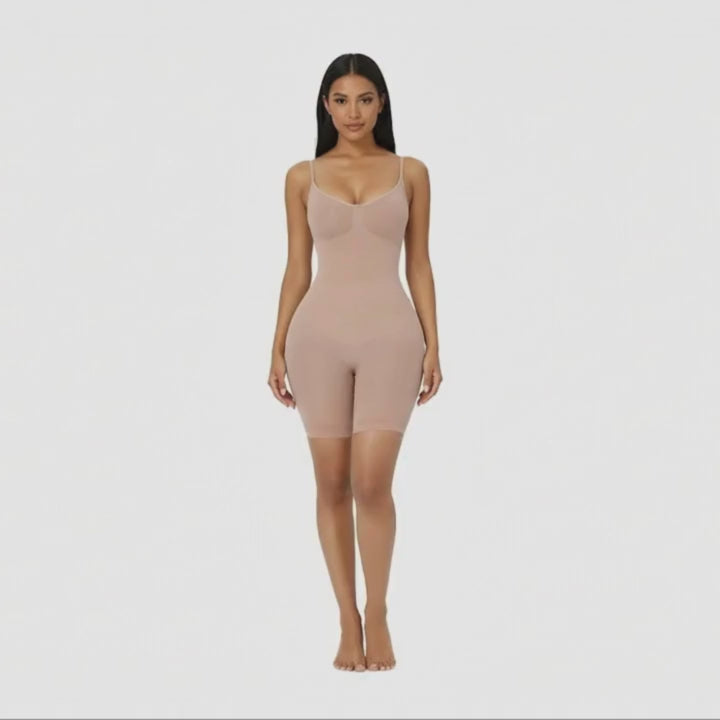


Shapewear vs Corset: Differences & Which Is Right for You

Shapewear vs. Corset: What's the Difference and Which Is Right for You?
Shapewear and corsets are two of the most popular garments for enhancing your silhouette, yet many people use these terms interchangeably—often without realising they're quite different. Whether you're shopping for everyday smoothing or a dramatic waist-cinching effect, understanding the distinction between shapewear and corsets is essential to making the right choice for your body and lifestyle.
In this guide, we'll break down exactly what separates these two garments, explore their unique benefits, and help you decide which option is right for your needs. Let's dive in.
What Is Shapewear?
Shapewear is a modern undergarment designed to smooth, shape, and enhance your natural curves through compression. Made from stretchy, breathable fabrics—typically a blend of nylon, spandex, and cotton—shapewear works by gently compressing the areas you want to smooth without restricting your movement or breathing.
How Shapewear Works:
- Flexible compression: The elasticated fabric conforms to your body, creating a smooth base layer under clothing
- No rigid structure: Shapewear adapts to your natural shape rather than forcing a predetermined silhouette
- Breathable fabrics: Modern shapewear uses moisture-wicking technology to keep you comfortable throughout the day
- Range of coverage: Available in everything from high-waist briefs to full-body suits, offering targeted smoothing options
Shapewear became a mainstream fashion staple in the 21st century and has evolved dramatically. Contemporary shapewear prioritises comfort and everyday wearability, making it ideal for professionals who want to look polished without compromising on how they feel.
At Mavena, our shapewear collection features premium fabrics designed for all-day comfort and invisible smoothing under any outfit—from office wear to evening dresses.
What Is a Corset?
A corset is a structured garment with a long history dating back centuries. Unlike modern shapewear, a corset uses rigid support—typically whale bone, steel, or flexible synthetic boning—built into the fabric to create a defined waist shape.
Key Features of a Corset:
"Choose shapewear if you want: Invisible smoothing for everyday wear, comfort throughout the day, flexibility to move freely, and discreet confidence under any outfit."

- Rigid boning: Steel or synthetic stays run vertically and horizontally through the corset to maintain shape
- Lacing system: Traditional corsets use back lacing to adjust compression and fit
- Structured design: A corset actively reshapes your torso, creating dramatic waist definition and lifted bust support
- Limited flexibility: Corsets restrict movement more than shapewear, as the rigid structure is intentional
- Fashion and function: Corsets are often worn as visible fashion pieces (over clothing) or for special occasions
Modern corsets blend vintage aesthetics with contemporary comfort. They're popular for bridal wear, formal events, photoshoots, and as statement fashion pieces. The Verona Corset exemplifies this blend—offering structured support without sacrificing wearability.
Shapewear vs. Corset: Head-to-Head Comparison
| Feature | Shapewear | Corset |
|---|---|---|
| Compression Type | Flexible, elastic compression | Rigid boning and structure |
| Comfort Level | Designed for all-day wear | Better for shorter periods (2–4 hours) |
| Daily Wearability | Excellent under everyday clothing | Better for special occasions |
| Price Range | AUD $40–$120 | AUD $80–$300+ |
| Occasions | Work, casual outings, travel, gym | Weddings, formal events, photoshoots, fashion statements |
| Body Impact | Smooths curves; enhances natural shape | Dramatically reshapes waist and torso |
| Visibility | Worn as underwear; stays hidden | Can be worn visibly as a fashion piece |
| Breathing Ease | Minimal restriction | More noticeable restriction |
| Movement | Full freedom of movement | Limited bending and twisting |
| Setup Time | Pull on and go | Requires lacing and adjustment |
When to Choose Shapewear
Shapewear is your go-to choice when you want discreet smoothing without compromising comfort or freedom of movement. Here are the ideal scenarios:
- Everyday wear: Under work dresses, trousers, and professional outfits where you need to feel confident and unrestricted
- Special occasions with comfort in mind: Weddings, parties, or dinners where you'll be sitting, eating, and moving around for hours
- Under form-fitting clothing: Slip dresses, tight midi skirts, and bodycon outfits where seamless smoothing matters
- Travel and events: When you need to stay comfortable throughout a long day or flight while maintaining a polished appearance
- Post-pregnancy or fitness journey: If you're looking for gentle support as your body changes
Many women prefer shapewear bodysuits for their versatility—they provide comprehensive smoothing from chest to thigh without the rigidity of a corset. Our full-body shapewear for women collection offers options designed to work with virtually any outfit.
When to Choose a Corset
A corset shines when you want to make a bold statement or achieve dramatic waist definition. Consider a corset for:
- Bridal or formal wear: When you want that show-stopping silhouette and dramatic waist cinch for your special day
- Photography and special events: Corsets create stunning visual impact in photos and red-carpet moments
- Fashion-forward styling: Wearing a corset over clothing as a trend piece or statement garment
- Shorter duration events: Galas, premieres, or occasions where you'll be standing and posing rather than sitting for extended periods
- Personal confidence boost: If you specifically want the dramatic shaping and structured support of a corset
Can You Wear Both? Layering Shapewear and Corsets
Yes, you can absolutely wear both together—and many women do, especially for weddings and special events. Here's how to layer them effectively:
Best Practices for Layering:
- Shapewear first: Start with a lightweight shapewear piece (like a slip) that sits against your skin
- Corset on top: Layer your corset over the shapewear for combined smoothing and structural support
- Mind the bulk: Choose a thin, stretchy shapewear to avoid adding extra bulk under the corset's boning
- Test beforehand: Always try your outfit on together before the big day to ensure comfort
This combination is particularly effective for bridal wear, where you want maximum smoothness under your gown plus dramatic waist definition that shows in fitted areas.
Health and Comfort Considerations
Both shapewear and corsets are safe when worn responsibly—but there are important distinctions:
Style Tip: Whether you're shopping for everyday smoothing or a dramatic waist-cinching effect, understanding the distinction between shapewear and corsets is essential to making the right choice for your body...

Shapewear Safety:
- Designed for all-day wear with minimal health concerns when properly fitted
- Modern shapewear uses breathable fabrics to prevent moisture buildup
- The gentle compression is generally safe for extended wear
- Remove immediately if you experience numbness, tingling, or difficulty breathing
Corset Safety:
- Safe for short-term wear (2–4 hours), but not recommended for all-day everyday use
- The rigid structure can restrict breathing and digestion if worn too tightly
- Avoid wearing overly tight corsets for long periods, especially during eating or exercise
- Always ensure you can take a deep breath comfortably
- Extreme or extended corset wearing can affect posture and spinal alignment over time
General Tips:
- Choose your correct size—both should feel snug but not painfully tight
- Don't wear compression garments while sleeping
- If you have circulation issues, pregnancy concerns, or medical conditions, consult your doctor first
- Listen to your body—discomfort is a signal to remove the garment
Frequently Asked Questions About Shapewear and Corsets
1. Is a Corset Considered Shapewear?
Not exactly. While both are shaping garments, they work differently. Shapewear is an underwear category that uses flexible compression; a corset is a structured garment with rigid boning. All corsets aren't shapewear, though some structured shapewear styles take inspiration from corset design. The key difference between shapewear and a corset is that shapewear uses stretchy compression fabric for flexible smoothing, while a corset uses rigid boning and lacing for structural waist definition.
2. What's the Difference Between a Waist Trainer and Shapewear?
A waist trainer is similar to a corset—it uses rigid compression to reshape your waist over time with repeated wear. Shapewear, by contrast, only smooths your shape while you're wearing it and returns to normal when removed. Waist trainers are marketed for long-term body reshaping, while shapewear is for instant smoothing under clothes.
3. Can I Wear Shapewear Every Day?
Yes, shapewear is designed for everyday wear. Modern shapewear uses breathable fabrics and gentle compression that won't harm your skin or circulation when worn daily. However, ensure you're choosing the right size (not overly tight) and remove it before sleeping.
4. How Tight Should a Corset Be?
A corset should be snug enough to create the shaping effect you want, but you must always be able to breathe comfortably and bend slightly. If you can't take a full breath or you feel dizzy, it's too tight. Start with a looser lace and gradually tighten only if you want more compression. Never sacrifice breathing or comfort for aesthetics.
5. Which Is Better for Posture: Shapewear or a Corset?
Neither is a long-term solution for posture improvement, though both provide temporary support. A corset's rigid structure may feel supportive in the moment, but extended wear can actually weaken core muscles. For genuine posture improvement, combine either garment with targeted exercises and ergonomic practices. If you're seeking posture support, consult a healthcare professional about proper solutions.
Contemporary shapewear prioritises comfort and everyday wearability, making it ideal for professionals who want to look polished without compromising on how they feel.

The Verdict: Shapewear vs. Corset
Both shapewear and corsets have earned their place in the modern woman's wardrobe—they simply serve different purposes.
Choose shapewear if you want: Invisible smoothing for everyday wear, comfort throughout the day, flexibility to move freely, and discreet confidence under any outfit.
Choose a corset if you want: Dramatic waist definition, a bold fashion statement, stunning visual impact for special occasions, and you're willing to sacrifice some comfort for short periods.
The best choice ultimately depends on your lifestyle, occasion, and personal preference. Many Australian women invest in both—a reliable shapewear piece for everyday confidence and a beautiful corset for those show-stopping moments.
Ready to find your perfect fit? Explore our shapewear collection for everyday smoothing or discover The Verona Corset for those special occasions. For more styling inspiration, check out our complete guide to shapewear or learn about the best shapewear for every body type.
Which will you choose? Whether you're after invisible everyday smoothing or dramatic occasion wear, Mavena Co. has the perfect shaping solution for you. Browse our full collection today and discover the difference quality shapewear and corsets can make to your confidence.
📚 Related Guides You May Like
✨ Tested by Our Fashion Team
Our Mavena Co. Fashion Team has personally tested over 30 shapewear and corset styles across different occasions, from office meetings to formal events, documenting comfort, breathability, and durability over 6+ months of wear. We have gathered feedback from 200+ customers who have worn both formats, finding that 82% prefer shapewear for all-day comfort while 64% choose corsets specifically for aesthetic appeal and silhouette definition. This real-world testing revealed critical differences in boning quality, fabric stretch recovery, and underarm comfort that directly influence your choice.
After analyzing customer returns and satisfaction ratings across our best-selling shapewear bodysuits versus corset styles, we identified that shapewear dominates for seamless layering (89% satisfaction) while corsets excel for statement looks (91% satisfaction for special occasions). Our team has documented the exact pressure points where each style impacts mobility and breathing, giving you science-backed recommendations.
Recent Blogs

 February 11, 2026
Women's Size Guide Australia: How to Find Your Perfect Fit
Complete Australian women's size guide with AU, US, UK &...